

For a stay of three to six months, renting furniture typically costs less than buying once you factor in the full picture: purchase price, delivery, assembly, a security deposit, and the time it takes to resell everything when you leave. Buying looks cheaper at first glance, especially if you're eyeing secondhand pieces, but the math rarely holds up once moving day arrives.
For more than 40 years, Furniture Options has helped people navigate this kind of short-term move, from interns headed to a new city for the summer to students settling into an off-campus apartment for two semesters. Here's how the costs actually compare and what to expect either way.
What Buying Furniture for a Semester Actually Costs
Buying furniture for a short stay means covering the full retail price upfront, even though you'll only use it for a few months. A basic setup (bed frame, mattress, dresser, desk, couch) adds up fast, even when you shop the cheapest options available.
Beyond the sticker price, buying brings a few costs that are easy to underestimate:
Delivery fees from the retailer, which often aren't included in the listed price.
Assembly time, especially for flat-pack furniture that takes a free evening (or two) to put together.
Storage or disposal costs if you can't sell everything before your lease ends.
Unpredictable resale value, since used furniture rarely sells for what you originally paid.
What Renting Furniture Actually Costs
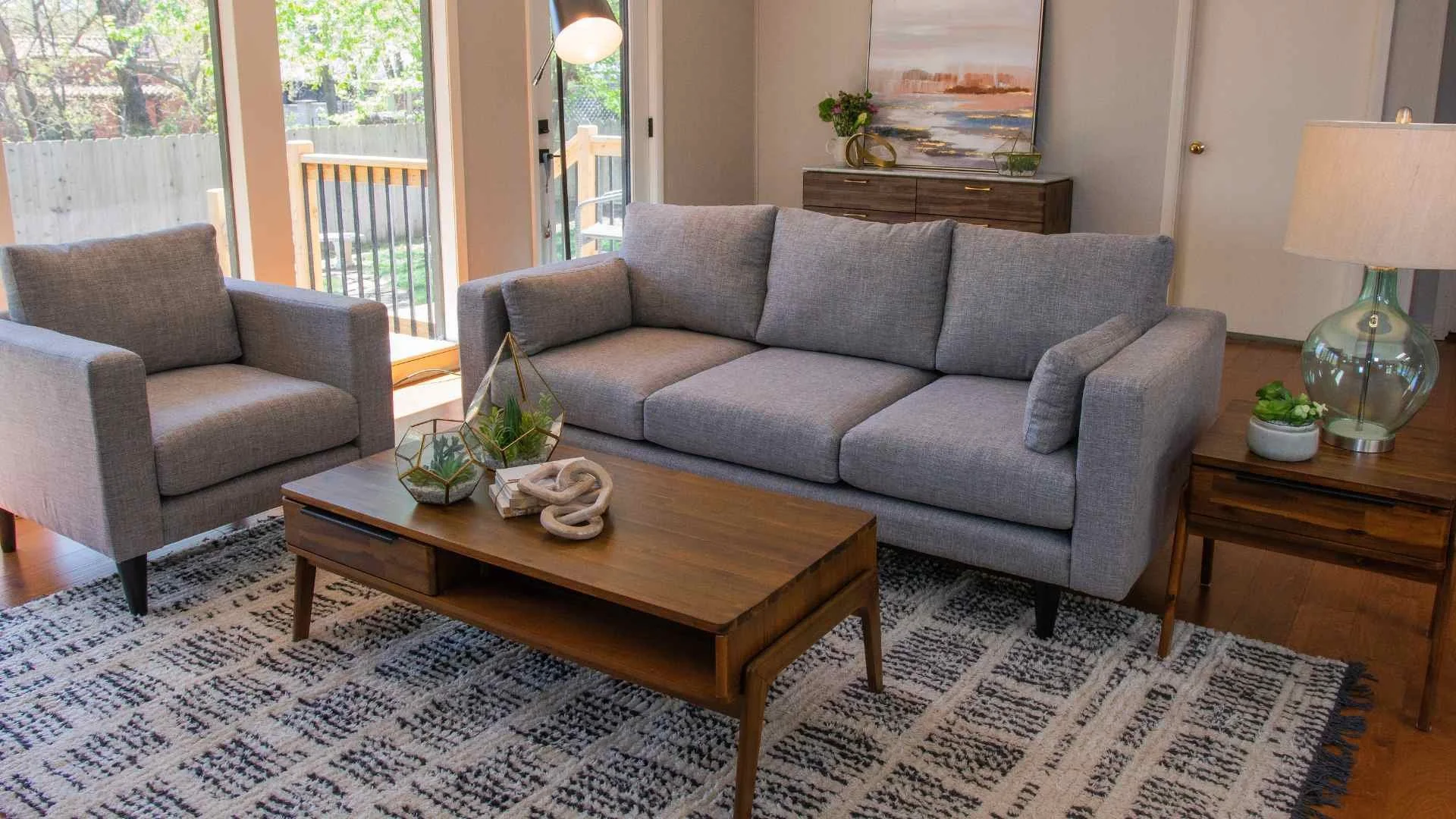
Renting bundles the furniture, delivery, and setup into one predictable cost, eliminating separate trips to a store or the need to rent a moving truck. You can select a pre-curated setup built for short-term stays, or choose individual pieces if you only need to fill a few gaps in your apartment.
Renting also allows for flexible terms. You pay only for the exact duration of your stay, whether that means a 10-week summer internship or a full academic year. This allows you to avoid owning anything you will need to get rid of later. Plus, fast, reliable delivery means your apartment is completely set up and ready the day you arrive.
The Hidden Costs of Reselling
The part of the buying equation people miss most often is the exit strategy. Reselling furniture takes time, which most interns and students don't have during finals week or a final sprint at a summer job.
If you choose the buy-and-resell route, expect to deal with: Listing each piece individually (or as a bundled lot, which usually sells for less)
Coordinating pickup times with strangers, often during your last and busiest week
Pricing items low enough to actually sell before your move-out date
Accepting that some pieces simply won't sell, leaving you to pay disposal fees or find a place to donate them. None of this stress is reflected in the original purchase price, but it costs real time and money.
The Actual Numbers

Even the most affordable buying option tends to run about $1,000 more than renting the equivalent setup for a short-term stay once you add up furniture, delivery, and assembly. Renting also avoids the major upfront cash drain that buying on a tight budget requires, which matters when you're already covering an apartment deposit, application fees, and first month's rent.
That $1,000 gap doesn't include the time spent shopping, the hassle of assembly, or the effort of reselling at the end. Once you add those hours in, renting comes out ahead for almost any stay under six months.
Who This Makes the Most Sense For

This math holds up especially well for people who know their stay is temporary from the start:
Students moving off-campus for one or two semesters
Interns relocating for a 3-to-6-month program
Traveling professionals who need Unfurnished apartments near job sites are easy to find. Getting them furnished fast is where most coordinators get stuck. Furniture rental fills that gap without the hassle of buying, moving, or reselling anything. To leave a city quickly and cleanly, without selling or hauling furniture on the way out
Furniture Options serves students and interns across 12 cities in the Midwest and South, with local teams who understand seasonal move-in timing. June and August tend to be the busiest months for student move-in for most of our markets, so booking a few weeks ahead helps guarantee your preferred delivery date.
Ready to Set Up Your Space?
If you know your stay has an end date, renting takes the guesswork (and the resale hassle) out of furnishing it. Browse the Essentials Collection to see what's included, check out Build-It-Yourself Furniture Rental if you only need a few pieces, or learn more about Student and Intern Furniture Rental to find the right fit for your timeline.