
The Disaster Displacement Checklist: What to Do in the First 48 Hours
For over 40 years, Furniture Options has been helping families recover from fires, floods, and tornadoes. We have learned one important lesson: the people who navigate insurance claims with the least amount of stress are the ones who prepared before the disaster.
Many people don’t know what is covered until it’s needed, and by then, small mistakes can cost thousands. That’s why we developed a checklist, so you can focus on you and your family, not paperwork and phone calls.
What You Can Do Before Disaster Strikes

Checklist of things to prepare in case of disaster.
Know Your Rights: Getting Like, Kind, and Quality Replacements
Policies often promise “Like, kind, and quality” replacements, meaning they will try to match the quality of living before the disaster. Many insurance plans are more dorm-style, which doesn’t accommodate a family or professional-oriented lifestyle. Here are a few tips to help get the quality you deserve before disaster strikes:
Documentation
When you are displaced, insurance will only cover the increase in expenses, making it important to document your "normal " expenses. Here are a couple of things to keep track of. When you are displaced, insurance will only cover the increase in expenses, making it important to document your "normal" expenses. Here are a couple of things to keep track of.
Brand and Material Tags: Photograph tags under your sofa sections and inside dressers to prove the items are made of higher quality rather than particle board. This allows you to get rental furniture of the same quality, or a final payout that matches it.
Room-by-Room Walkthrough: Even if a room doesn’t look damaged, smoke and water damage can ruin things like the internal foam. A video of a walkthrough of your home and what is in each room can help justify replacement or rental.
Past 3 Months of Utility Bills: Adjusters will deduct your normal utility usage from the temporary rental utility charges. Keeping track of your recent bills helps prevent adjusters from paying less by applying national average deductions.
Past 2 Months of Grocery Bills: If you are staying at a hotel without a kitchen, it’s possible to claim going out to eat as an increased expense, but only the amount above your usual grocery expenses.
Commute Mileage: Document your normal commute from your damaged home. Any extra mileage from your temporary housing beyond that may be reimbursed.
Official Documents: Documents such as birth certificates, passports, and social security cards are often destroyed or damaged during a disaster. These documents become critical when filing additional claims or applying for assistance, which is why we recommend taking the proper precautions to locate, replace, or digitally store the documents to prevent complications down the road.

Act quickly and swiftly in the first 48-hours to mitigate loss.
“The First 48” Loss Mitigation
As the insured, you have a duty to mitigate, meaning you have the obligation to prevent further damage to your belongings. The best way to mitigate is to act quickly and swiftly. Here are a few things you can do to help.
“Out-of-Sight” Inventory: Take time to record and walk through your home, listing items that were destroyed before the debris is clear to make the claim easier.
“No Trash” Rule: DO NOT throw away damaged furniture or belongings until the adjuster has seen it in person. However, if they pose a health hazard, take a photo of the serial number or brand tag first, then toss them.
Emergency Board Up: Keep your receipts of anything that was bought to help secure the property after the event, like plywood, tarps, and locks.
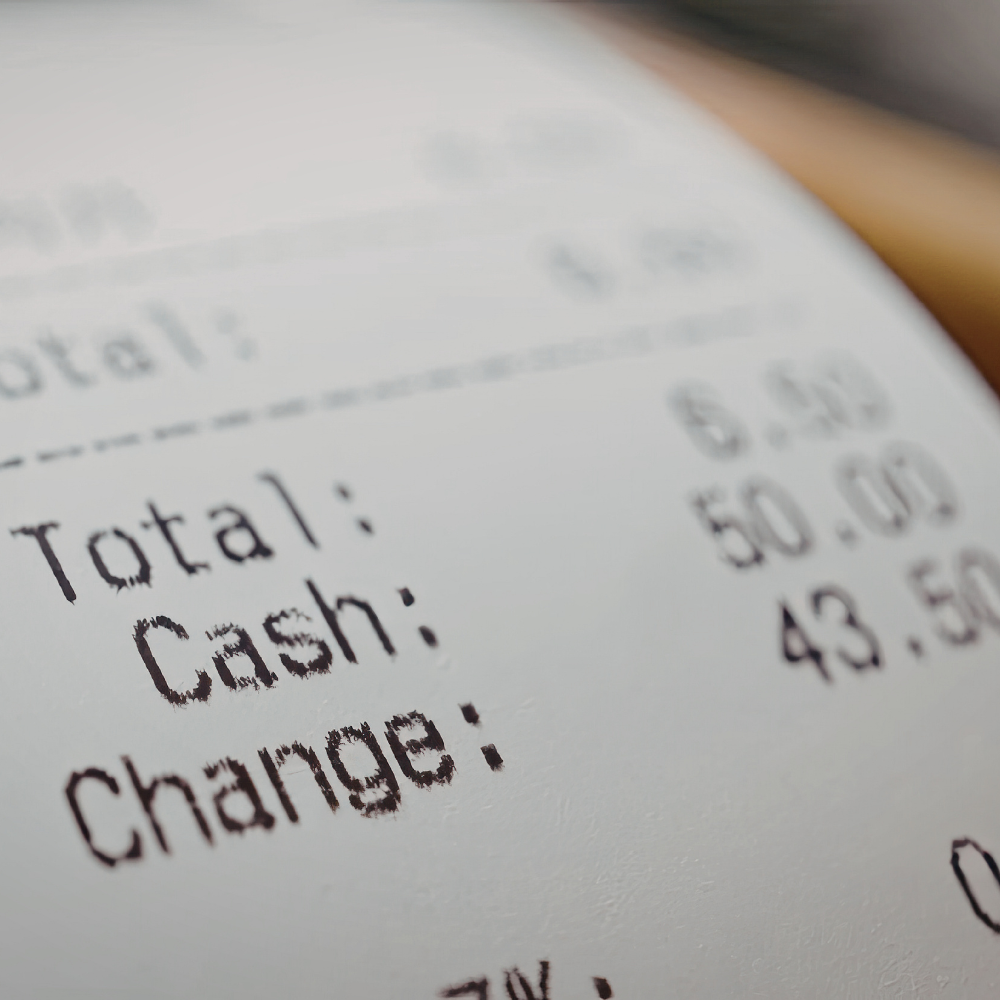
Keep your receipts
Keep A Displacement Daily Log
Insurance claims can take months to resolve, and memorizing every detail can be overwhelming. Please keep a record of every purchase made by the displacement. Anything from laundromat coins to pet boarding fees, so you get the reimbursement you deserve.
We also recommend keeping a record of every person you speak to regarding your claim, with dates, time, and how you communicated. This will help with any disputes and discrepancies during your claim process.
We’ve seen how families can be impacted by the unthinkable. After a tornado touched down in one of our communities, our team squeezed in an extra delivery run to get beds to a family who hadn’t slept in one for days. They were in tears. It’s a moment we think about when helping clients, and why we believe these first steps matter so much.
Final Takeaway: Practical Next Steps For Furnishing Your Temporary Space
Navigating insurance after a disaster is one of the most stressful experiences you can face, but you don’t have to do it alone. We have worked alongside displaced families and insurance companies for decades to make sure people get the quality of life they’re entitled to. If you’re facing displacement or want to be better prepared for disaster, reach out. We are here to help!
Contact us:
Email: info2@furnitureoptions.com
Service areas: Austin, Baton Rouge, Dallas, Des Moines, Houston, Kansas City, Little Rock, Northwest Arkansas, Oklahoma City, Tulsa, Wichita